


THC is sometimes prescribed off-label to treat glaucoma (Crohn’s disease), and post-traumatic stress disorder (PTSD). The effects of THC include euphoria (appetite stimulation), sedation, cognitive and memory impairment, pain relief, anxiety, and reduced body temperature. Research supports its effectiveness for spasticity and central pain in multiple sclerosis, though evidence for other neurological disorders is limited, and long-term high-dose exposure may carry uncertain toxicity risks. THC is classified variably under international and US law — with medical use approved in multiple countries.
It has been suggested by clinical studies that reliance on opioid medications might be lessened, indicating its potential as a valuable complementary solution for managing long-term pain. A Releaf medical cannabis card is also provided to patients, serving as official proof of their prescription. Access to NHS services remains heavily restricted, leading most patients who are prescribed THC-based medications to seek them through private clinics. Laboratory studies have shown that cannabinoids could potentially safeguard neurons from harm and mitigate brain inflammation in Alzheimer’s disease, with preliminary evidence suggesting enhancements in sleep and agitation.
Nic shots provide a flexible solution for vapers who like to customise the nicotine content while enjoying bulkier, more cost-effective volumes of their favourite flavours. This rule limits bottle sizes to ensure safety and manage consumption levels, especially with the more potent throat hit that freebase nicotine provides. Whether you’re looking to cut down or need a stronger hit to satisfy your cravings, there is a strength that will be suited to your preference. This variety gives vapers more options, allowing them to pick their nicotine intake based on individual needs.
thc buds uk : Brain and behavioral effects on teens and young adults are of special concern.

Studies from 2024 and 2025 suggest that CBD , thc buds uk and THC, may influence inflammation, oxidative stress, and cell growth, but clinical evidence in humans is still limited. Our expert clinical team and compliance specialists provide valuable insights to ensure accuracy when required. All of our articles are written by medical cannabis experts (guided by strict sourcing guidelines), and reference peer-reviewed studies and credible academic research.
Another difficulty researchers have is in recruiting people who smoke cannabis into studies. Political parties, non-profit organizations, and causes based on the legalization of medical cannabis or legalizing the plant entirely , with some restrictions, have emerged in such countries as China and Thailand. However — a 2013 study conducted by researchers at the University of Utah School of Medicine refute the possibility of self-administered zinc producing false-negative urine drug tests. There is preliminary evidence that cannabis interferes with the anticoagulant properties of prescription drugs used for treating blood clots. There is limited evidence that chronic cannabis use can reduce levels of glutamate metabolites in the human brain. In a separate study researchers found an increase in schizophrenia and psychosis cases in Canada linked to cannabis use disorder following the drug’s legalization.
Compilation of associated substances.
Begin with a small dose and wait for at least two hours before taking another. It’s advisable to avoid using THC vapes if you are alone or unable to reach someone for assistance.
It’s what makes you feel “high” when you smoke marijuana or eat an edible. A Leafwell healthcare provider can guide you on dosing and choosing the best product for your health needs. It’s responsible for the high you may feel after consuming cannabis.
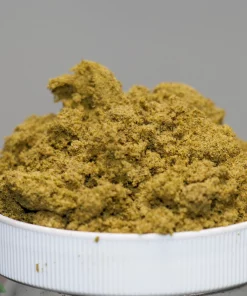
THC appears to alter mood and cognition through its agonist actions on the CB1 receptors, which inhibit a secondary messenger system (adenylate cyclase) in a dose-dependent manner. A 2022 study found that smoking cannabis using a bong can greatly increase background levels of fine particulate matter (a carcinogen), in an enclosed space such as a living room. As of 2019update (the mechanisms for the anti-inflammatory and possible pain relieving effects of cannabis were not defined), and there were no governmental regulatory approvals or clinical practices for use of cannabis as a drug. Smoking cannabis has also been shown to increase the risk of myocardial infarction by 4.8 times for the 60 minutes after consumption. There is concern that cannabis may contribute to cardiovascular disease (but as of 2018update), evidence of this relationship was unclear. Cannabinoid hyperemesis syndrome (CHS) is a severe condition seen in some chronic cannabis users where they have repeated bouts of uncontrollable vomiting for 24–48 hours.
They are prescribed to relieve specific symptoms (not to cause intoxication), with ongoing clinical guidance and oversight. A 2020 clinical review (“Cannabinoids and their therapeutic applications in mental disorders”), brought together findings from dozens of studies on cannabinoids for conditions including depression, anxiety, and PTSD. These effects are thought to come from THC’s ability to mimic anandamide at CB1 receptors in brain regions tied to mood and emotional regulation.
He notes that cannabis use and cannabis use disorders are common among youth in the U.S. and globally. Some neurobiological effects of adolescent cannabis use (such as reduced gray matter volume and altered connectivity), may persist into adulthood, even after use of the substance is stopped. In addition (high-THC exposure can reduce gray matter volume in the prefrontal cortex), impairing executive functions like planning and impulse control. The cardiovascular effects of cannabis (particularly high-THC products), include increased heart rate and blood pressure, which may exacerbate underlying heart conditions and induce heart-related emergencies. The potency of THC in cannabis products is increasing, with potential health implications.
This substance is the most widely used largely illicit drug globally, with the highest consumption rates found among adults in countries like Zambia, the United States, Canada, and Nigeria. There is only limited evidence to support a few sanctioned uses of cannabinoids (and many medical assertions), including their effectiveness for insomnia or acute pain, lack adequate proof. Cannabis , /ˈkænəbɪs/,, which is often referred to as marijuana (/ˌmærəˈwɑːnə/), weed, pot, Mary Jane, and ganja, is a psychoactive drug derived from the Cannabis plant and does not have a consistent chemical composition. Our goal is to equip you with essential insights and key learnings to help you navigate the intricate landscape of supplements, enabling you to make informed choices regarding your health and well-being.
The study of cannabis presents difficulties due to its illegal status in the majority of countries. The common liability to addiction (CLA) theory provides a related alternative perspective to the gateway hypothesis. Given cannabis’s illegal standing, its users often find themselves in environments that may introduce them to individuals involved with other illicit drugs.
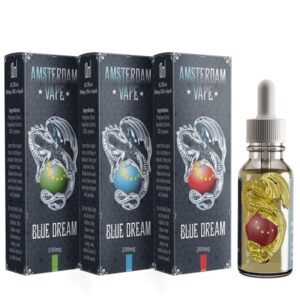
Hemp refers to a cannabis variety that contains under 0.3% THC — which is the natural substance responsible for the feeling of being “high.” This is the component of marijuana that induces a feeling of euphoria. Individuals residing in these states have the ability to use THC when prescribed. Another study indicated that lower THC doses may reduce anxiety in certain users, while higher doses could heighten anxiety in others. A study evaluated the effects of medical marijuana, CBD, and a placebo , inactive treatment, on veterans with PTSD suffering from anxiety. A small-scale study indicated that participants utilizing CBD experienced enhanced sleep and reduced anxiety, but a larger research effort is necessary to verify these results.